
THE ROLE OF AFRICAN UNIVERSITIES AND RESEARCH INSTITUTIONS IN ADVANCING SICKLE CELL DISEASE INNOVATION: A PERSPECTIVE
-
 Emmanuel Ifeanyi Obeagu
Division of Haematology, Department of Biomedical and Laboratory Science, Africa University, Zimbabwe. Department of Molecular Medicine and Haematology, School of Pathology, Faculty of Health Sciences, University of the Witwatersrand, Johannesburg, South Africa.
Emmanuel Ifeanyi Obeagu
Division of Haematology, Department of Biomedical and Laboratory Science, Africa University, Zimbabwe. Department of Molecular Medicine and Haematology, School of Pathology, Faculty of Health Sciences, University of the Witwatersrand, Johannesburg, South Africa.
-
Priya Homa Chukwu
Department of Haematology and Blood Transfusion Science, Rivers State University, Port Harcourt, Rivers State, Nigeria.
Keywords:
African Universities, genetic disorders, public health, research innovation, sickle cell diseaseAbstract
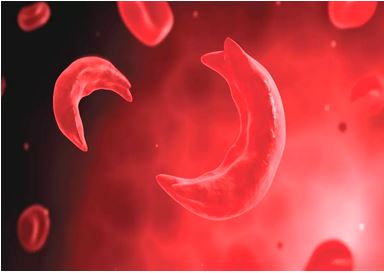
Sickle Cell Disease (SCD) remains one of the most prevalent genetic disorders in Africa, contributing significantly to morbidity and mortality across the continent. African universities and research institutions have emerged as key players in advancing innovation to combat this burden through focused research, capacity building, and policy advocacy. Their localized efforts are essential in addressing the unique genetic, environmental, and socio-economic factors influencing SCD in African populations. These institutions have made substantial contributions in understanding the molecular genetics of SCD, conducting epidemiological studies, and leading clinical trials tailored to local contexts. Additionally, they play a crucial role in training healthcare professionals and researchers, thereby strengthening the continent’s capacity to provide effective care and develop novel therapeutic approaches. Collaborative research networks and dedicated centers further accelerate innovation, facilitating the translation of scientific discoveries into practical interventions such as newborn screening and point-of-care diagnostics.
Peer Review History:
Received 4 December 2025; Reviewed 17 January 2026; Accepted 15 February; Available online 15 March 2026
Academic Editor: Dr. Muhammad Zahid Iqbal , AIMST University, Malaysia, [email protected]
Reviewers:
Dr. Vanina Doris Edo’o, University of Yaounde I, Yaounde, Cameroun, [email protected]
Dr. Wilman Ismael Carrillo Terán, Technical University of Ambato Avda, Ecuador, [email protected]
Downloads


Published
How to Cite
Issue
Section
Copyright (c) 2026 Universal Journal of Pharmaceutical Research

This work is licensed under a Creative Commons Attribution-NonCommercial 4.0 International License.






 .
.