
PREVALENCE AND CAUSES OF TOOTH LOSS AMONG YEMENI PATIENTS VISITING THE DENTAL CLINIC AT AL-THAWRA HOSPITAL IN SANA'A CITY, YEMEN
-
 Fua’ad Ahmed Ali Al-katta’a
Department of prosthodontics, Faculty of Dentistry, Sana’a, University, Republic of Yemen.
Fua’ad Ahmed Ali Al-katta’a
Department of prosthodontics, Faculty of Dentistry, Sana’a, University, Republic of Yemen.
-
Ahmed Abdullah Howilah
Department of prosthodontics, Faculty of Dentistry, Sana’a, University, Republic of Yemen.
-
Abdul-Wahed Al-Serouri
Department of community Medicine, Faculty of Medicine and Health Sciences, Sana’a University, Republic of Yemen.
-
Abdulwahab Ismail Mohamed Al-Kholani
Department of conservative dentistry, Faculty of Dentistry, Sana’a, University, Republic of Yemen.
-
Hassan Abdulwahab Al-Shamahy
Department of Basic Sciences, Faculty of Dentistry, Sana’a University, Republic of Yemen. Medical Microbiology and Clinical Immunology Department, Faculty of Medicine and Health Sciences, Sana’a University, Republic of Yemen.
Keywords:
Causes of tooth loss, prevalence of tooth loss, Sana'a city, YemenAbstract
Background and objectives: Tooth loss is still a major worldwide issue. In addition to examining potential correlations between tooth loss and various characteristics, including gender, age, educational attainment, and additional risk factors like diabetes, hypertension, khat chewing, and smoking behaviours, the current study sought to determine the causes of tooth extraction.
Subjects and Methods: The retrospective study reviewed 1,955 medical records of patients who had undergone at least one tooth extraction. Patient variables included sex, age, education level, hypertension, diabetes, khat use, and smoking
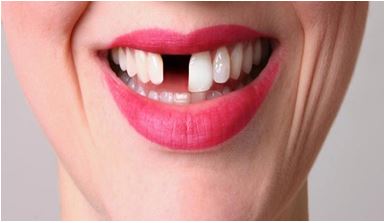
Results: Males constitute 55% and females 45% of the patient population. The predominant age groups are 18-22 years (30%). A significant majority (92%) have dental caries, primarily affecting 1-5 teeth (69%) and less frequently 6-10 teeth (27%). The decay rates are highest in upper molars (21%), lower molars (25%), and upper premolars (15%). About 13% of patients exhibit tooth mobility, mainly in lower central (26%) and lateral incisors (18%). Tooth loss is reported in 64% of patients, predominantly affecting 1-9 teeth (91%), with upper molars (26%) being the most lost, followed by lower molars (24%). The study identifies tooth decay as the primary cause of tooth loss (47%), followed by a combination of tooth decay and periodontal disease (38%) and periodontal disease alone (10%).
Conclusion: This study found that tooth loss was prevalent among participants, particularly involving upper molars. Key risk factors included advanced age (30+ years), male sex, and systemic diseases, with notably higher rates of tooth loss linked to dental caries and periodontal diseases.
Peer Review History:
Received 6 December 2025; Reviewed 11 January 2026; Accepted 14 February; Available online 15 March 2026
Academic Editor: Dr. Iman Muhammad Higazy , National Research Center, Egypt, [email protected]
Reviewers:
Dr. Nada Farrag, Misr International University, Egypt, [email protected]
Dr. Nicola Micale, University of Messina, Italy, [email protected]
Downloads


Published
How to Cite
Issue
Section
Copyright (c) 2026 Universal Journal of Pharmaceutical Research

This work is licensed under a Creative Commons Attribution-NonCommercial 4.0 International License.







 .
.