
ASSESSING BONE HEALING IN PATIENTS WITH VARIOUS TYPES OF FACIAL BONE FRACTURES BY EVALUATING BONE BIOCHEMICAL MARKERS IN CONJUNCTION WITH RADIOGRAPHIC FINDINGS
-
 Lutf Mohammed Al-Rahbi
Yemen Medical Specialist Council, Ministry of Health and Population, Yemen. Department of Oral and Maxillo-Facial Surgery, Faculty of Dentistry, Sana’a University, Republic of Yemen.
Lutf Mohammed Al-Rahbi
Yemen Medical Specialist Council, Ministry of Health and Population, Yemen. Department of Oral and Maxillo-Facial Surgery, Faculty of Dentistry, Sana’a University, Republic of Yemen.
-
Ahmed Abdulah Al-Ashwal
Yemen Medical Specialist Council, Ministry of Health and Population, Yemen. Department of Oral and Maxillo-Facial Surgery, Faculty of Dentistry, Sana’a University, Republic of Yemen.
-
Ahmed Salh Salh Jahaf
Yemen Medical Specialist Council, Ministry of Health and Population, Yemen.
Keywords:
Alkaline phosphate, biochemical markers, calcium, C-reactive protein, facial bone fracture, phosphorusAbstract
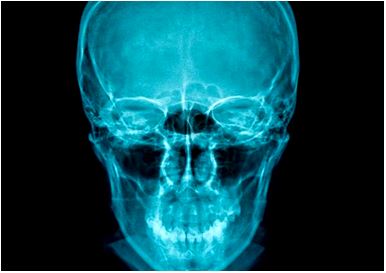
Background and aims: When a bone fracture occurs, the bone matrix is damaged and destroyed, cells die, the periosteum and endosteum rip, and the ends of the broken bone may move. Cascades of biological processes are necessary for bone development and healing. Numerous biological indicators found in blood and tissue fluids may be helpful in assessing how well bone mending is going. By analysing bone biochemical indicators in connection to radiographic results, this study aims to assess bone healing in patients with various forms of facial bone fractures.
Patients and methods: A clinical laboratory study conducted in 2025 at Military Hospital in Sana'a, Yemen, included twenty patients with surgically treated facial bone fractures. The study documented injury types, fracture sites, and treatment methods. Radiographic assessments were performed upon admission and during postoperative follow-ups. Blood samples were collected at zero days, 14, 45, and 90 days for biochemical analysis of alkaline phosphate (ALP) activity, calcium, phosphorus, and c-reactive protein (CRP) levels in serum.
Results: The study comprised 20 patients, predominantly male (80%) with an average age of 37.6 years, mainly suffering fractures from road traffic accidents (85%). The zygomatic bone was most frequently affected (55%). Fracture types included compound (40%), comminuted (35%), and simple (25%). Postoperatively, 80% had open reduction, with nerve injury as the sole complication (10%).
Conclusions: Fracture causes mainly stemmed from road traffic accidents; the zygomatic bone was the most frequently fractured site. Fracture types included compound was the most common, most patients underwent open reduction, and the only complication noted was nerve injury. Serum and biochemical markers can be used for evaluation of progress of bone formation and help clinician to assess the type of treatment.
Peer Review History:
Received 8 December 2025; Reviewed 12 January 2026; Accepted 20 February; Available online 15 March 2026
Academic Editor: Dr. Amany Mohamed Alboghdadly , Ibn Sina National College for Medical Studies in Jeddah, Saudi Arabia, [email protected]
Reviewers:
Dr. George Zhu, Tehran University of Medical Sciences, Tehran, Iran, [email protected]
Dr. Hasniza Zaman Huri, University of Malaya Medical Centre, Kuala Lumpur, [email protected]
Downloads


Published
How to Cite
Issue
Section
Copyright (c) 2026 Universal Journal of Pharmaceutical Research

This work is licensed under a Creative Commons Attribution-NonCommercial 4.0 International License.






 .
.